
How to Prepare for Election Season Communications: A Complete Guide for Government Agencies
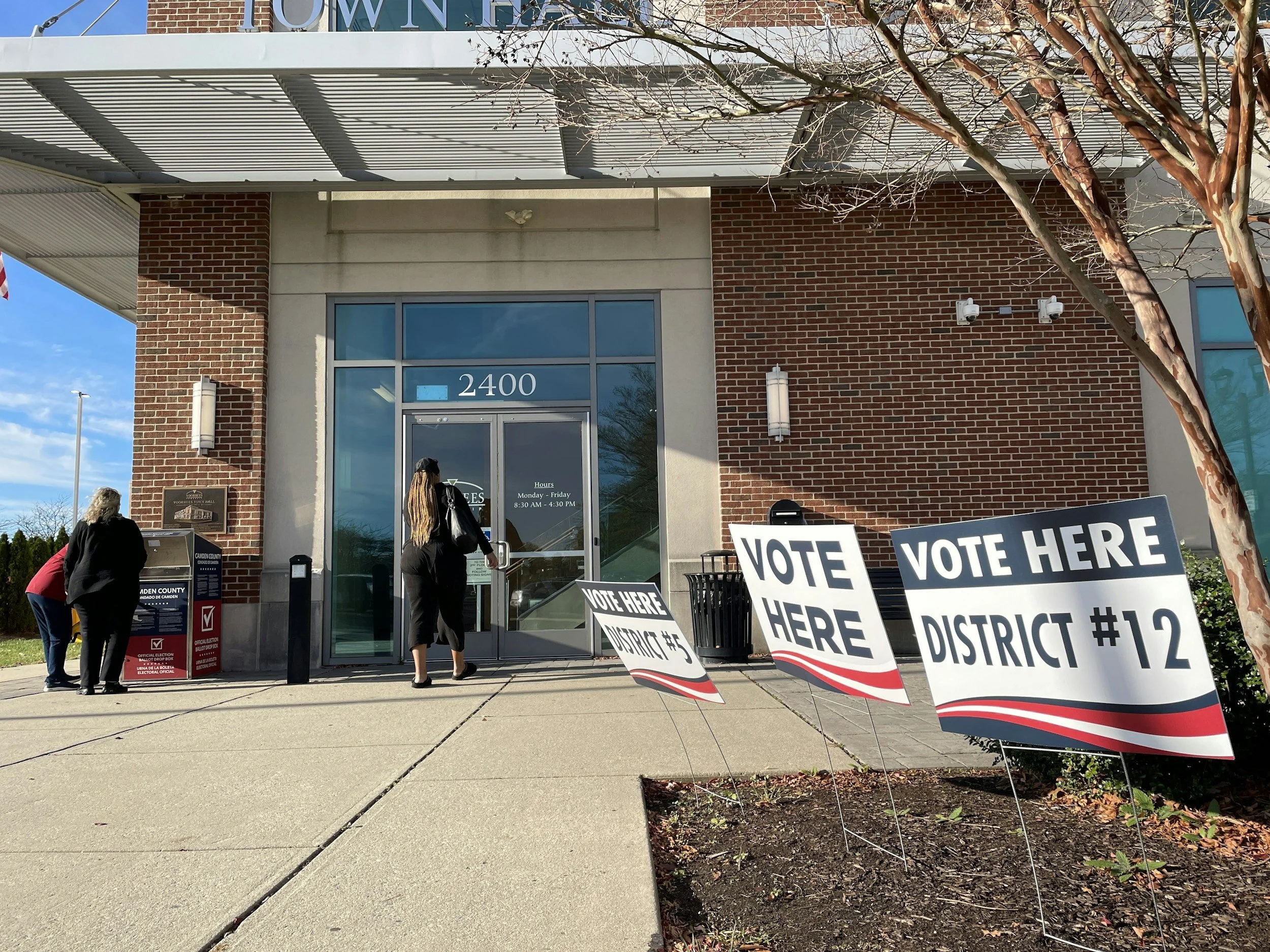
Election season is one of the busiest and most high-profile times for government agencies. As voter interest increases, so do media inquiries, public questions, website traffic, and the demand for timely, accurate information.
Whether you're an elections office, municipality, county government, school district, or another public organization, having a strategic election communications plan is essential. Clear, consistent communication helps reduce confusion, build public trust, and ensure residents know where to find reliable information.
In this guide, we'll explain how to prepare for election season communications, what should be included in an election communications plan, and the best practices government agencies can use to communicate effectively before, during, and after Election Day.
What Are Election Season Communications?
Election season communications are the strategies, messaging, and public information efforts used by government agencies to keep voters, residents, stakeholders, and the media informed throughout an election cycle.
These communications may include:
Election deadlines
Voter education campaigns
Press releases
Media interviews
Social media updates
Website announcements
Community outreach
Public service announcements
Emergency or crisis communications
The goal is to provide clear, accurate, and accessible information that helps the public understand important election-related processes while maintaining confidence in official communications.
Why Are Election Communications Important?
Strong election communications help government agencies build trust, improve transparency, and reduce confusion.
Without a clear communications strategy, misinformation can spread quickly, residents may miss important deadlines, and agencies often find themselves responding to the same questions repeatedly.
An effective election communications plan helps organizations:
Build public confidence
Deliver consistent messaging
Improve access to official information
Increase community engagement
Support transparency
Respond quickly to changing situations
Strengthen relationships with the media
Ultimately, good communication helps people make informed decisions using trusted, official sources.
When Should Election Communications Planning Begin?
The best time to begin planning is several months before major election milestones.
Starting early gives your team time to:
Develop key messaging
Build a content calendar
Design graphics and campaign materials
Coordinate media outreach
Review website content
Prepare FAQs
Establish approval workflows
Train spokespersons
Waiting until election season is underway often leads to rushed messaging, inconsistent communication, and unnecessary stress for staff.
Who Is Responsible for Election Communications?
Election communications are typically managed by Public Information Officers (PIOs), Communications Directors, or election officials working alongside agency leadership.
Responsibilities often include:
Responding to media inquiries
Writing press releases
Managing social media
Updating the agency website
Coordinating public information campaigns
Preparing leadership for interviews
Developing communication strategies
Managing crisis communications
If your agency does not have an in-house communications team, partnering with an experienced public relations firm can provide additional strategic support.
What Should an Election Communications Plan Include?
Every agency's communications plan will look different, but most successful plans include the following:
Communication Goals
Clearly define what your organization wants to accomplish throughout the election cycle.
Examples include:
Increase public awareness
Improve voter education
Encourage use of official information
Strengthen public trust
Reduce misinformation
Key Messages
Develop consistent messaging that can be used across every communication platform.
Messaging should be:
Clear
Accurate
Easy to understand
Accessible
Consistent
Content Calendar
Plan communications around important dates, including:
Voter registration deadlines
Vote-by-mail deadlines
Early voting
Election Day
Community events
Public meetings
Poll worker recruitment
Roles and Responsibilities
Determine who is responsible for:
Media relations
Social media
Website updates
Graphic design
Community outreach
Leadership approvals
Having defined responsibilities improves efficiency during busy periods.
How Can Government Agencies Prepare for Election Season?
1. Audit Your Website
Your website should serve as the primary source of official election information.
Before election season begins:
Verify all dates.
Check for broken links.
Update contact information.
Review accessibility.
Make key information easy to find.
A well-organized website reduces confusion and improves the public experience.
2. Create Frequently Asked Questions
One of the easiest ways to improve communication is by publishing answers to the questions people ask most often.
Examples include:
Where do I vote?
How do I request a vote-by-mail ballot?
What identification is required?
What are the important deadlines?
Where can I find official election results?
A strong FAQ page reduces phone calls and helps residents quickly find accurate information.
3. Prepare Your Media Strategy
Election season often brings increased media attention.
Prepare by creating:
Press release templates
Media statements
Interview talking points
Spokesperson guidelines
Contact lists
Being proactive helps agencies respond confidently and consistently.
4. Build a Multi-Channel Communications Strategy
People receive information in different ways.
A successful election communications campaign uses multiple platforms, including:
Websites
Social media
Email newsletters
Television
Radio
Press releases
Community events
Outdoor advertising
Repeating consistent messaging across several channels increases awareness and helps reach a broader audience.
5. Develop a Crisis Communications Plan
Even with careful planning, unexpected situations can arise.
Preparing a crisis communications plan before election season allows agencies to respond quickly while maintaining public confidence.
Your crisis plan should outline:
Approval processes
Internal communication procedures
Public messaging
Media response protocols
Staff responsibilities
6. Monitor Public Questions
Pay attention to the questions residents ask through:
Phone calls
Social media
Emails
Public meetings
Website searches
These insights help identify gaps in communication and provide opportunities to create additional educational content.
Common Election Communication Mistakes to Avoid
Even experienced organizations can make communication mistakes during a busy election cycle.
Some of the most common include:
Waiting until the last minute to begin planning
Using inconsistent messaging across platforms
Failing to prepare for media inquiries
Neglecting website updates
Overlooking accessibility requirements
Not having a crisis communications plan
Assuming the public already understands the voting process
Avoiding these mistakes helps agencies communicate more effectively while building confidence among residents.
How The LA PR Firm Helps Government Agencies Prepare for Election Season
Effective election communications require more than timely updates—they require thoughtful planning, strategic messaging, and a deep understanding of how government agencies communicate with the public.
The LA PR Firm partners with government agencies and public organizations to develop election communications strategies, public information campaigns, media relations plans, crisis communications, community outreach initiatives, and voter education campaigns that build public trust and improve public engagement.
Our team has experience supporting high-profile election communications, including integrated public information campaigns that reached approximately 1.3 million registered voters through television, radio, outdoor advertising, digital media, and social media.
Whether you're planning months in advance or preparing for a busy election cycle, The LA PR Firm can help your organization communicate with confidence.
Ready to strengthen your election communications strategy? Contact The LA PR Firm to learn how we can support your next public information campaign.
-
Election season communications refer to the strategies, messaging, and public information efforts government agencies use to educate residents, share official election information, and communicate with the public before, during, and after an election.
-
Clear communication helps build public trust, reduce confusion, improve transparency, and ensure residents receive accurate information from official sources.
-
Election communications are commonly managed by Public Information Officers, Communications Directors, election officials, or communications professionals working with agency leadership.
-
A communications plan should include messaging, content calendars, media strategies, approval processes, crisis communication procedures, communication channels, and staff responsibilities.
-
Most agencies use a combination of websites, social media, press releases, email newsletters, television, radio, community outreach, and public meetings to communicate with residents.
